

Little ‘T’ Trauma – What Is It?

Little ‘t’ trauma and allostatic load explore how everyday and chronic stress can accumulate in the body over time, affecting physical, emotional, and mental wellbeing. This article explains how the nervous system responds to ongoing stress, the difference between internal and external stressors, and how long-term exposure can impact health if the body doesn’t have enough space to recover and restore balance.
Allostatic Load – What Is It?
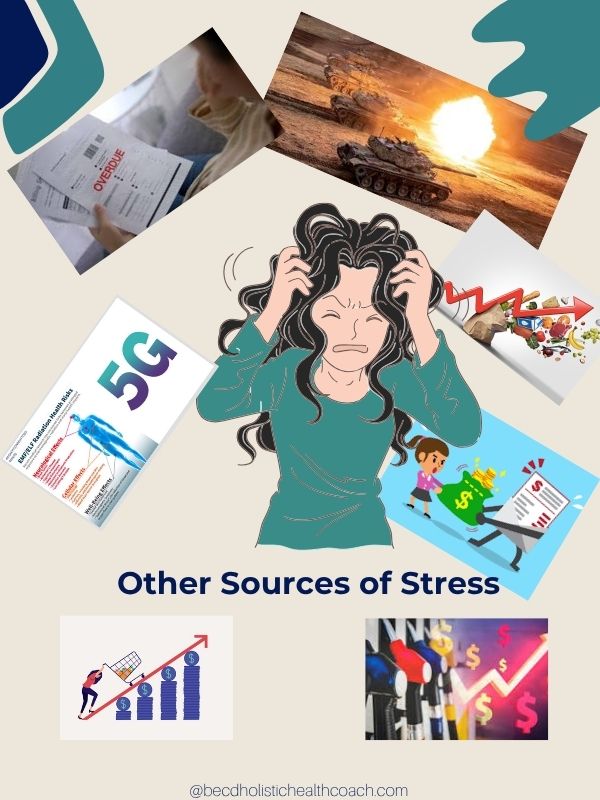
Allostatic load refers to the cumulative wear and tear on the body and brain caused by repeated or chronic stress. This article explores how prolonged activation of stress-response systems, including the hypothalamic-pituitary-adrenal (HPA) axis and the sympathetic nervous system, can lead to dysregulation across cardiovascular, metabolic, immune, and neuroendocrine functions.
Coined by Bruce McEwen and Eliot Stellar, allostatic load highlights the physiological “price” the body pays when exposed to ongoing stress without adequate recovery. Over time, this increased strain can accelerate aging and raise the risk of chronic conditions such as heart disease, diabetes, depression, and cognitive decline.
This post also outlines how allostatic load is measured through biomarkers like blood pressure, cortisol levels, cholesterol, inflammation markers, and waist-to-hip ratio, offering insight into how the body adapts—or struggles to adapt—to stress over time.