

Healing Trauma & Reducing Anxiety and Depression
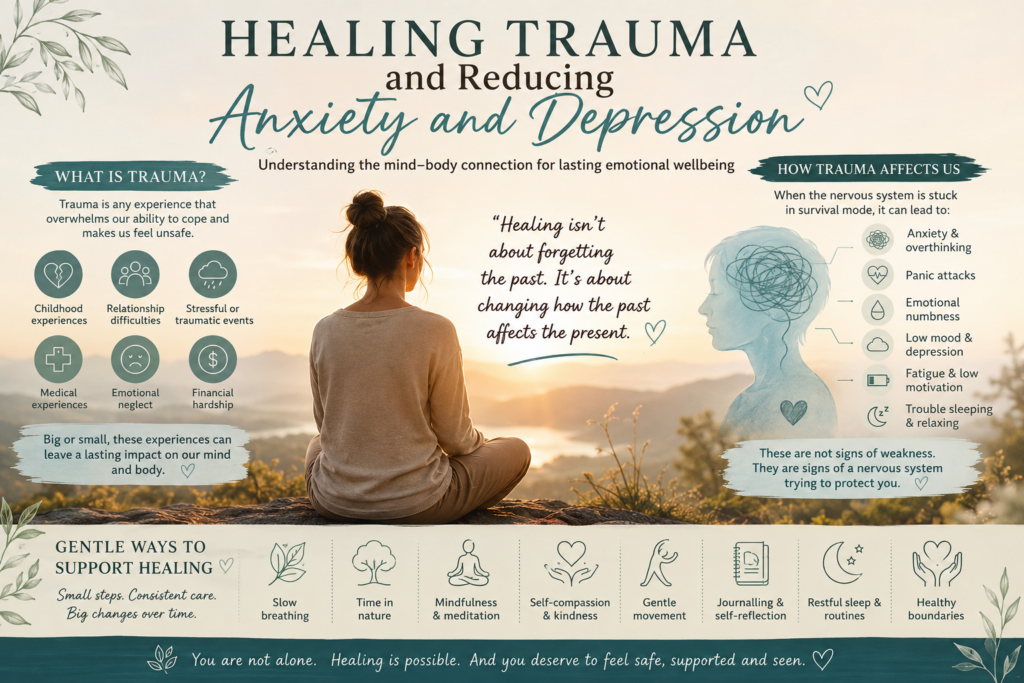
Healing Trauma & Reducing Anxiety and Depression
Trauma can quietly shape how we think, feel and experience the world every day. Discover how unresolved trauma may contribute to anxiety and depression, how it affects the nervous system, and why understanding the mind-body connection can help replace self-blame with compassion. Learn how gentle daily practices can support emotional wellbeing and create a greater sense of safety, balance and resilience.
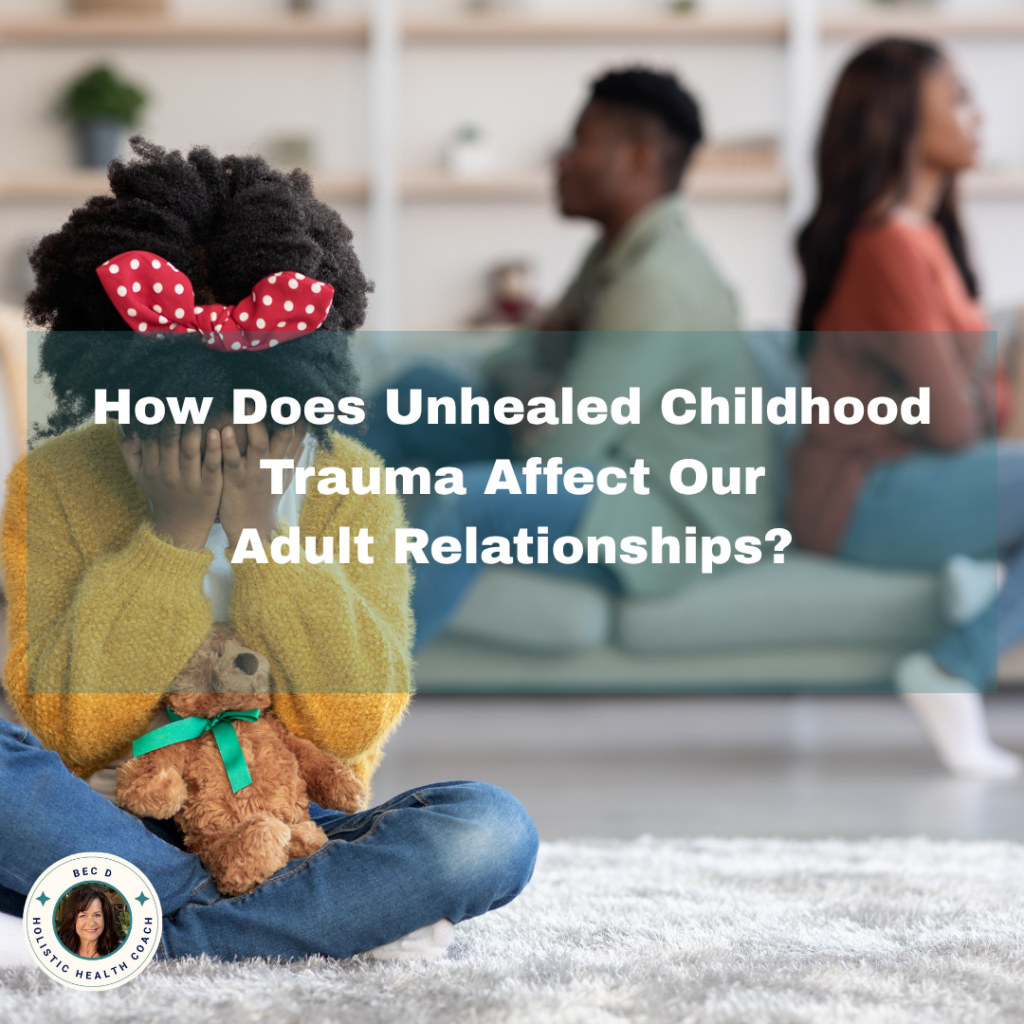
How Does Unhealed Childhood Trauma Affect Our Adult Relationships?
How Does Unhealed Childhood Trauma Affect Our Adult Relationships?
The survival strategies that helped us cope as children can quietly become the patterns we repeat as adults. Whether it shows up as controlling behaviour, people pleasing, conflict avoidance, or difficulty setting healthy boundaries, unhealed childhood trauma can influence the way we love, communicate, parent and respond to life’s challenges. This month, we explore how these patterns develop, why they are not character flaws, and how awareness can become the first step towards creating healthier relationships and lasting change.
Little ‘T’ Trauma – What Is It?
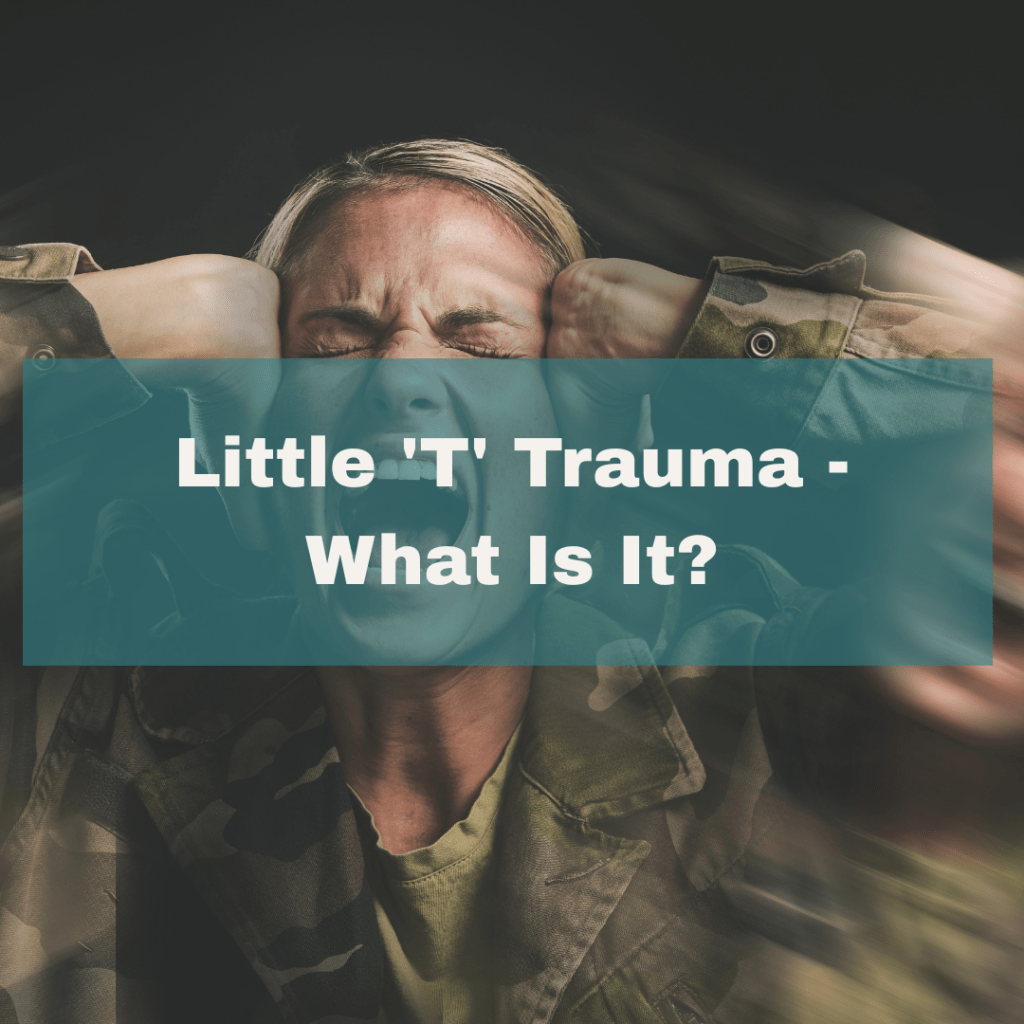
Little ‘t’ trauma and allostatic load explore how everyday and chronic stress can accumulate in the body over time, affecting physical, emotional, and mental wellbeing. This article explains how the nervous system responds to ongoing stress, the difference between internal and external stressors, and how long-term exposure can impact health if the body doesn’t have enough space to recover and restore balance.
Allostatic Load – What Is It?
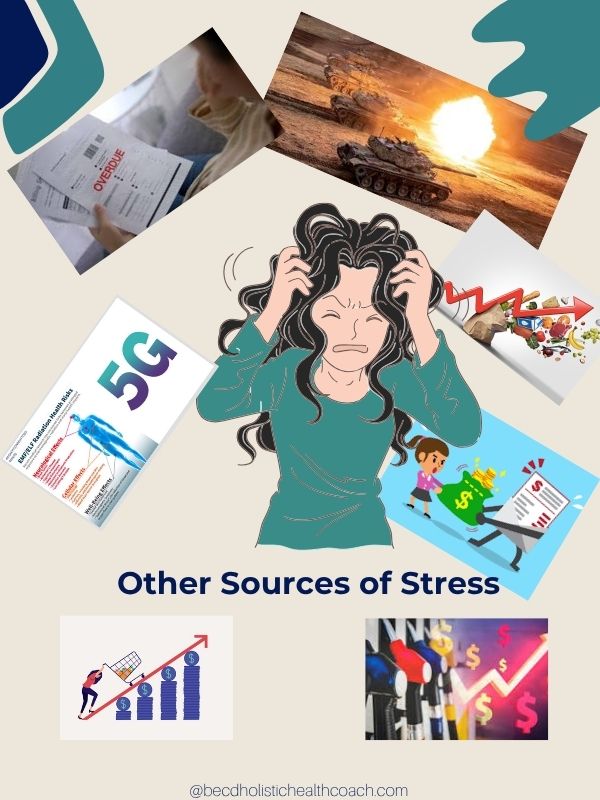
Allostatic load refers to the cumulative wear and tear on the body and brain caused by repeated or chronic stress. This article explores how prolonged activation of stress-response systems, including the hypothalamic-pituitary-adrenal (HPA) axis and the sympathetic nervous system, can lead to dysregulation across cardiovascular, metabolic, immune, and neuroendocrine functions.
Coined by Bruce McEwen and Eliot Stellar, allostatic load highlights the physiological “price” the body pays when exposed to ongoing stress without adequate recovery. Over time, this increased strain can accelerate aging and raise the risk of chronic conditions such as heart disease, diabetes, depression, and cognitive decline.
This post also outlines how allostatic load is measured through biomarkers like blood pressure, cortisol levels, cholesterol, inflammation markers, and waist-to-hip ratio, offering insight into how the body adapts—or struggles to adapt—to stress over time.
Trauma – How it Affects Our Relationships?

Trauma – How it Affects Our Relationships? What is Trauma? Renowned Physician and Addiction Expert Dr Gabor Mate with over 4 decades of clinical experience says: “Trauma is a wound that’s not healed. A wound can present in 2 ways: An open wound – it is raw, it hurts when it’s touched or prodded, knocked […]