

How Does Unhealed Childhood Trauma Affect Our Adult Relationships?
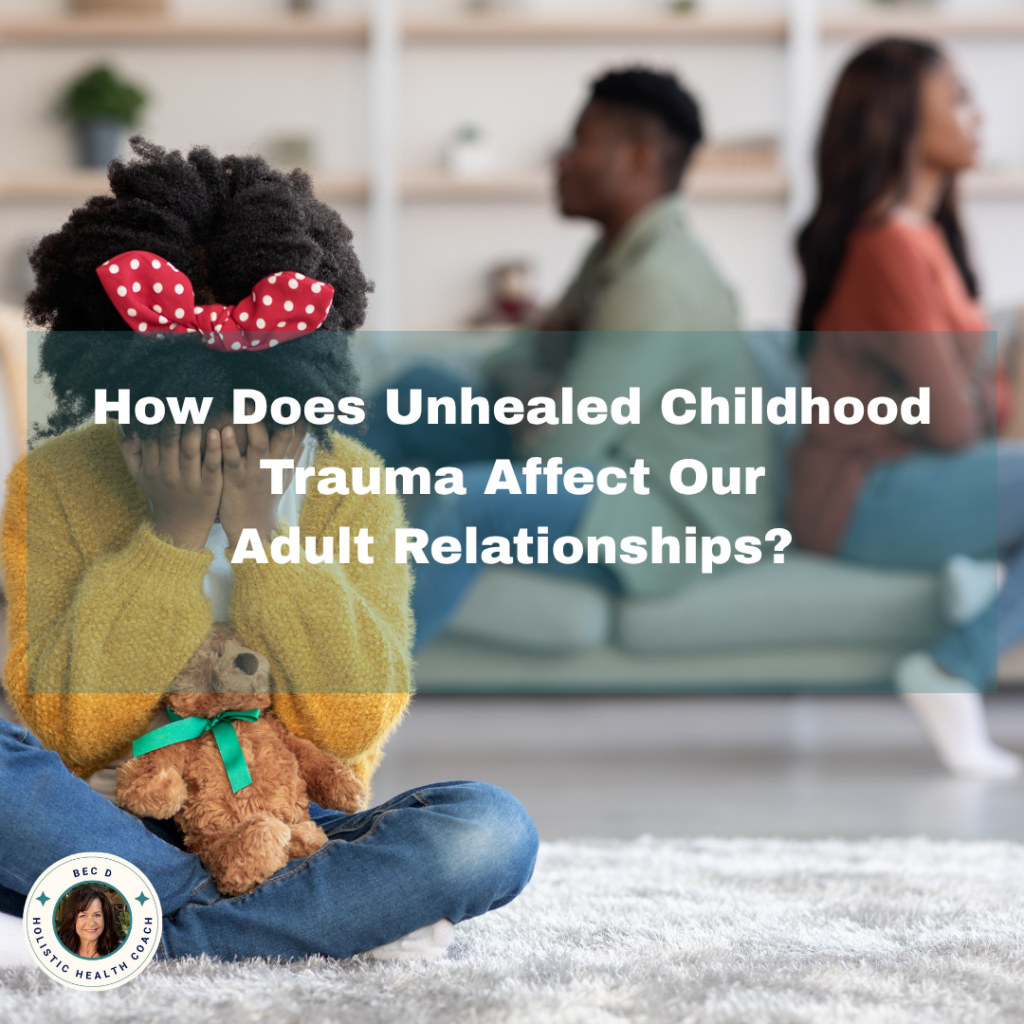
When Childhood Trauma Follows Us Into Adult Relationships and Parenting
Last month, we explored the idea that trauma is not always one dramatic event. Sometimes it is the quieter wound of what was missing: emotional safety, acceptance, affection, protection, consistency, or the feeling that our needs mattered.
Those early experiences do not simply disappear because we grow up. They can quietly shape the way we love, argue, parent, set boundaries and respond when we feel rejected, unseen or out of control.
The survival strategies that helped us cope as children can become the patterns we repeat as adults…
The Control Freak
When a Childhood Felt Out of Control…
As an Adult we have to Control Everyone and Everything Around us to FEEL SAFE
This plays out in our parenting, it plays out in the work place and most of all in our spousal/partner/romantic relationships…
The Controller: “If I control everything, nothing can hurt me.”
For some people, childhood felt unpredictable, chaotic, unsafe, or emotionally unstable. As adults, control can become a way of managing the fear underneath.
This may look like needing things done a certain way, struggling to trust others, becoming highly critical, making all the decisions, or feeling anxious when a partner has different needs, opinions or boundaries.
Underneath the controlling behaviour is often a frightened nervous system trying to prevent the uncertainty it once experienced. But in relationships, control can leave the other person with little room to be themselves. One person’s need for safety can slowly become another person’s loss of freedom.
In parenting, this can look like over-monitoring, rigid rules, difficulty allowing children to make age-appropriate mistakes, or interpreting independence as defiance. The child may learn that love is conditional on obedience rather than connection.
The People Pleaser

The People Pleaser: “If I keep everyone happy, I will be safe.”
People pleasing is often rooted in a childhood where love, attention, or safety felt conditional. Perhaps a child learned that their needs caused inconvenience, that conflict was dangerous, or that they were valued most when they were helpful, easy, quiet, successful or agreeable.
As adults, people pleasers may say yes when they mean no, avoid difficult conversations, over-give, over-explain and feel responsible for everyone else’s emotions. They may struggle to identify what they want because they have spent so long focusing on what everyone else needs.
In relationships, this can create resentment, exhaustion and a loss of self. The person may appear calm and accommodating on the outside while silently feeling unseen, unheard and deeply alone.
In parenting, this can become overcompensation. A parent who never felt heard or free as a child may give their own children unlimited freedom, few boundaries and constant accommodation. Their heart is in the right place: they do not want their children to feel the pain they felt. But children still need loving limits. Boundaries are not rejection; they are part of safety. A child with firm, loving boundaries feels safe and understands where the line in the sand is.
The Peace Keeper
The Peacekeeper: “If there is no conflict, maybe no one will leave.”
The peacekeeper often grew up around tension, volatility, criticism, withdrawal or emotional unpredictability. They learned to scan the room, read moods, smooth things over and make themselves small before conflict could escalate.
This is sometimes called the fawn response: a survival pattern of appeasing, shrinking or abandoning yourself to keep another person calm, connected or pleased.
In adult relationships, the peacekeeper may avoid raising concerns, minimise their own hurt, apologise too quickly or accept behaviour that does not feel okay. Over time, the relationship can become severely tilted: one person’s needs, feelings and preferences take up all the space while the other person slowly disappears.
In parenting, this can look like avoiding necessary conflict with children, rescuing them from every uncomfortable emotion or struggling to hold consequences because the parent cannot bear their child being upset with them. Yet children need parents who can stay warm and connected while still saying, “No” “Not today” or “That behaviour is not okay.”
The Pattern is Not Your Personality
These patterns are not character flaws. They are often intelligent survival responses created by a younger version of you who was trying to stay connected, safe and loved.
But what protected us then can cost us now.
Healing begins when we notice the pattern without shame. When we can pause and ask:
– Am I responding to this moment, or to an old wound?
– What do I need right now?
– Can I express that need without controlling, pleasing, disappearing or exploding?
– What would a safe, balanced relationship look like here?
The goal is not perfection. It’s learning that love does not require control, self-abandonment, silence or over-giving.
Healthy relationships and healthy parenting both make room for two things at once: connection and boundaries; compassion and accountability; love for others and respect for ourselves.
That’s where the cycle begins to change.
If you recognised yourself in any of these patterns, notice it with compassion. Awareness is not the end of the story; it is the beginning of a different one.
For anyone having trouble in relationship, feel free to reach out
I’ve worked with many couples over the years & they’re all still together and stronger than ever!
Book a Coaching session Below: